
Always looking for frogs
When I was very young, we had a small pond at the side of our house. The whole thing was probably less than 1m2, but in that small pool teemed a huge amount of life. Snails, frogs, fish, beetles and other invertebrates, not to mention the various types of vegetation that seemed to grow from nowhere. This small pond started a quiet obsession in me
When I was a little older, my parents built a new pond, slightly larger this time. This pond became the spot I would come to nearly every day to see what was new. I would usually end up elbow-deep in the water, fishing out snails and frogs. Even now as an adult, if I am at my parents’ house, I always check in on the pond.
The same goes for ponds and water bodies I come across in my daily travels. I will always stop to see what I can find and what is changing, though nowadays I usually keep my hands dry. I think it’s important to always be on the lookout, observing. This is especially true of spaces you pass through daily, to notice the changes and the developments

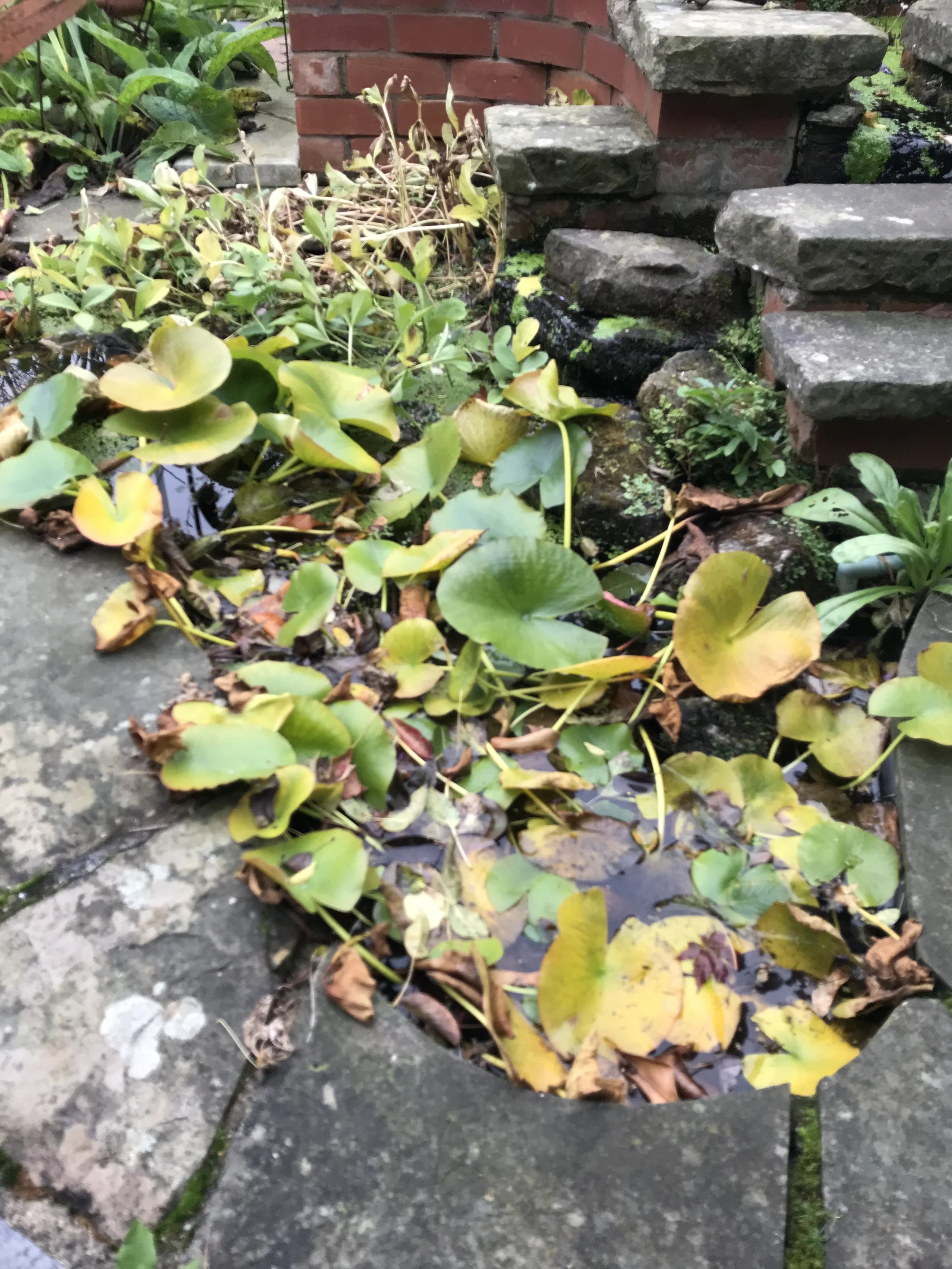
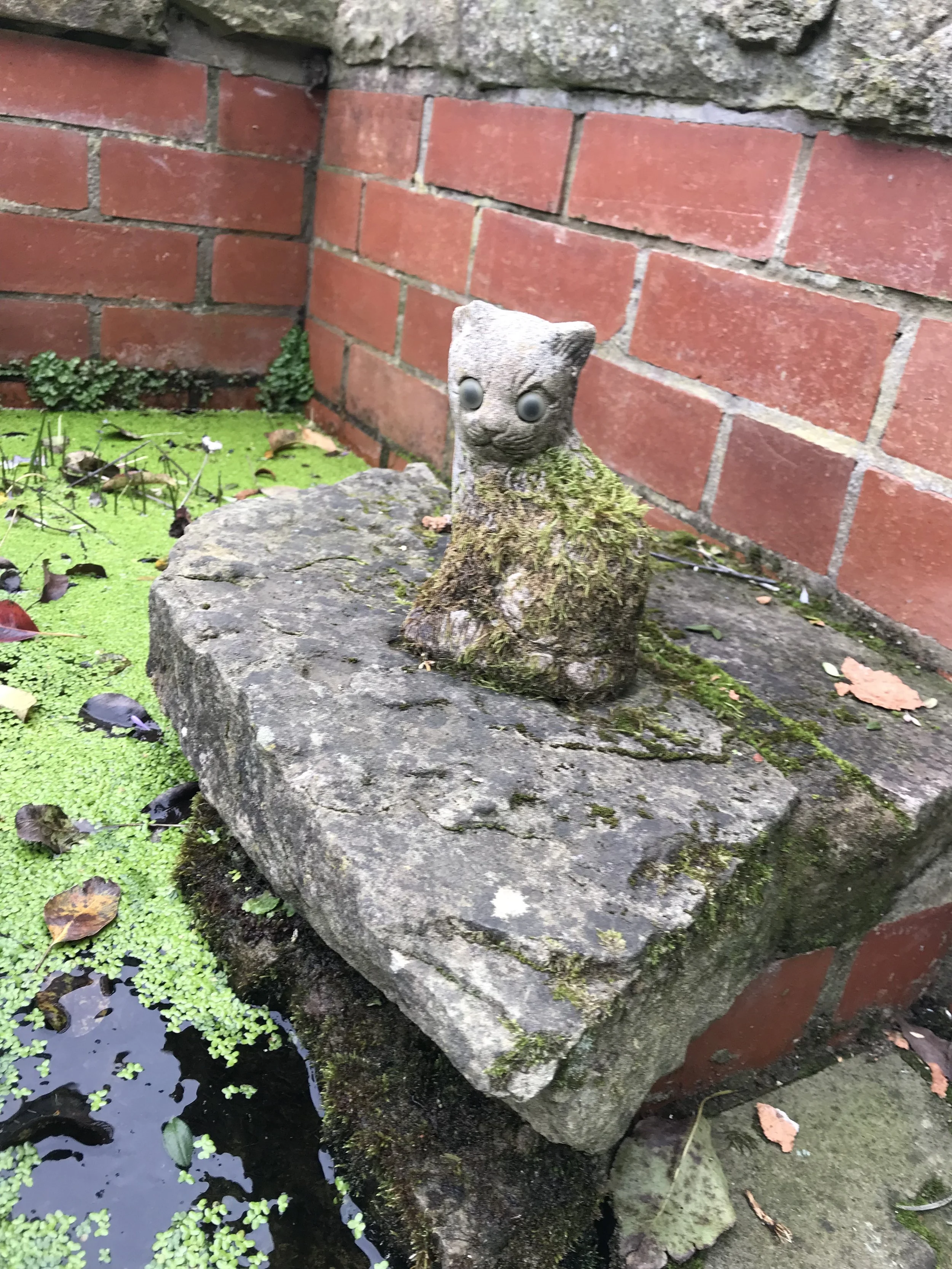
Little Andrew choosing to have his first holy communion photo next to the original pond. The other photos are the newer pond now. Note the scary concrete cat has been there the whole time
The environmental case for ponds
Despite their small size, ponds are recognised as supporting high biodiversity, contributing disproportionately more to aquatic biodiversity than larger water bodies such as lakes. An important factor here is the way that each pond will tend to become adapted to the main species present. This is the case for large and small water bodies alike, so a collection of small ponds with different species present in each, will ultimately be more biodiverse than a large pond or lake with a similar range of species.
Despite ponds being ecologically vital, they are legally almost invisible. Small water bodies remain largely outside the remit of conservation and environmental legislation, and even within frameworks like the EU Water Framework Directive, coverage applies only to standing waterbodies of 50 hectares or more, excluding the vast majority of small wetlands. This gives opportunity and risk. The lack of legal and planning frameworks means that building ponds is very straightforward. Unfortunately, they are also easy to remove.
In England and Wales, roughly two-thirds of ponds present in the late 19th century have been lost, primarily through drainage and infilling for agricultural land reclamation. UK-wide, pond numbers declined from approximately 800,000 in the nineteenth century to around 200,000 by the 1980s. Urban areas tended to be worse affected, with Birmingham seeing an 82% decline between 1904 and 2009, losing 1,573 ponds.
Ponds are essentially climate-adaptive infrastructure. They act as nutrient retention, flood mitigation, pollinator support, and habitat connectivity, though good management is important, as they can both be a carbon sink and a methane producer, depending on how nutrients are managed.
The child's-eye case
Aside from the purely ecological aspects, the educational role of ponds can’t be overlooked. While I didn’t end up going into biology or ecology, I like to think of myself as having benefitted from an education at the pond-side. I learnt all about the way a frog develops from spawn, how water snails can use surface tension to move upside down the surface of a pond. I understood food chains, the refraction of light and so many other things.
I learnt this is an unstructured way, supported only by some David Attenborough books my parents happened to have, and by developing my observation skills. These skills I use every day as an adult, both in work and leisure.
Always looking for Frogs
I realised a few years ago, that I am literally always looking for frogs. When I see a water body, I scan the edges for life. I look for movement and for eyes poking out of the water, looking back at me. I started sharing the ponds I see on Instagram: Always_Looking_For_Frogs. I hardly ever actually see frogs, though the other things I see while looking become all the more interesting.
Further reading
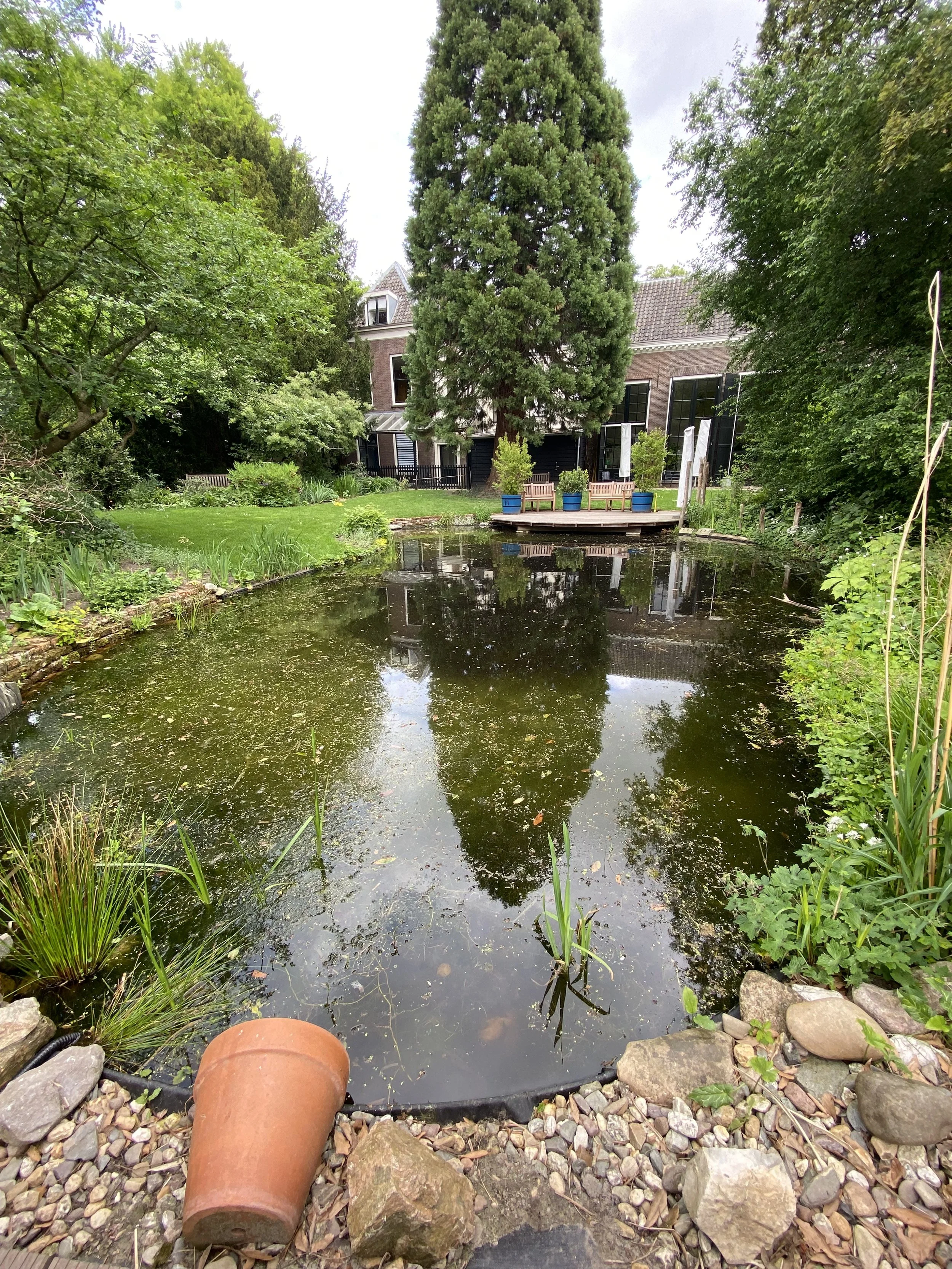
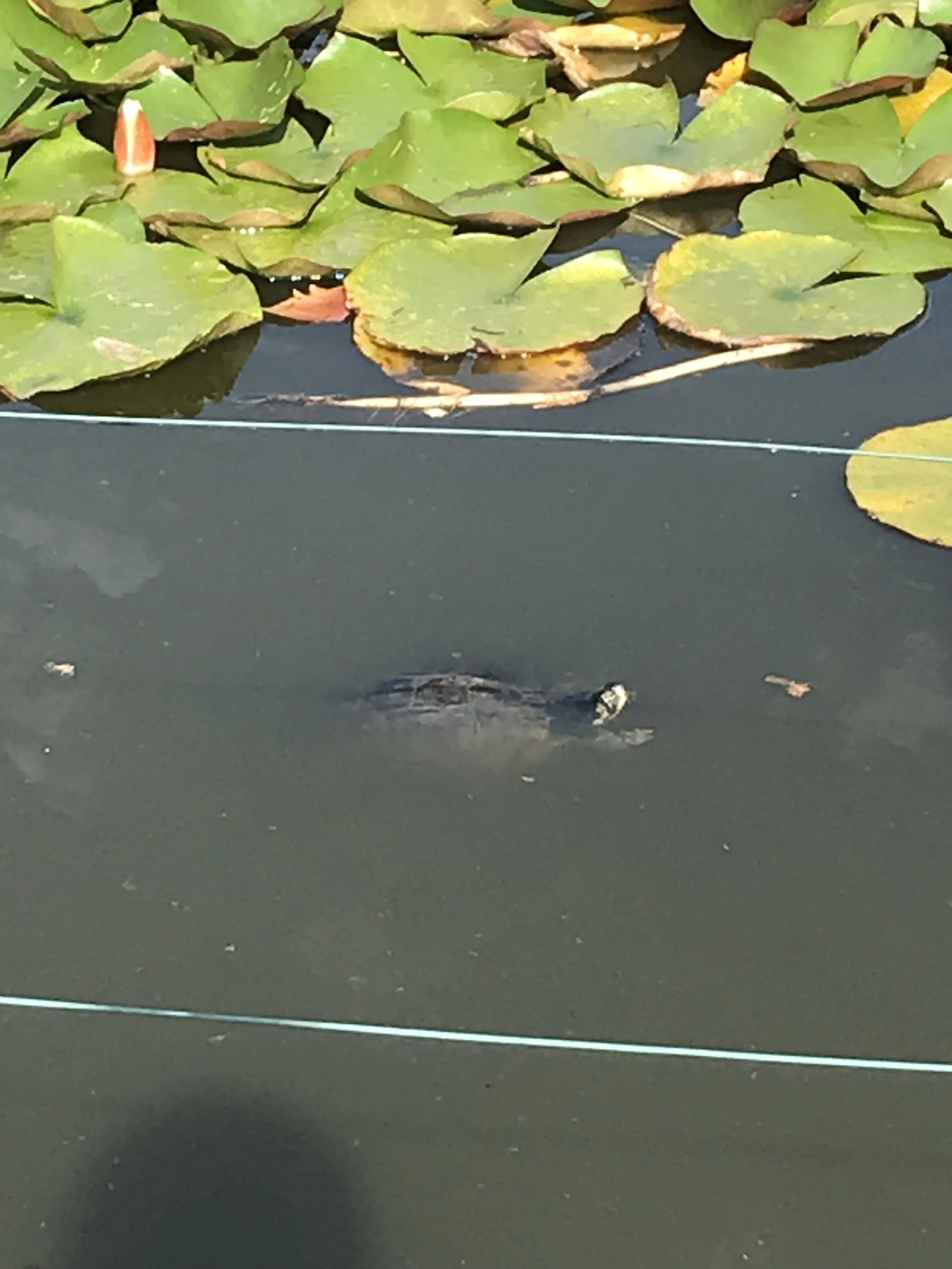
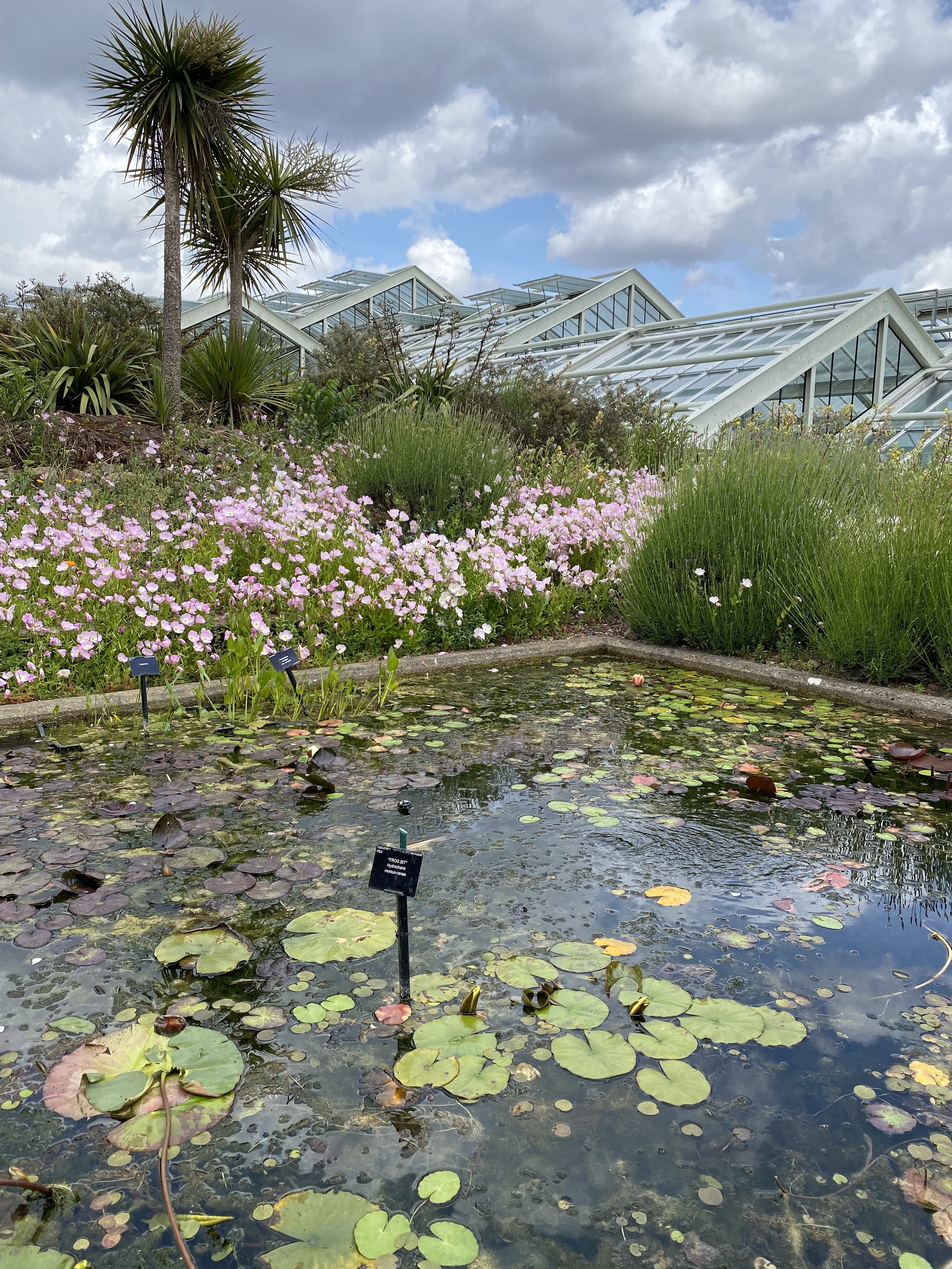
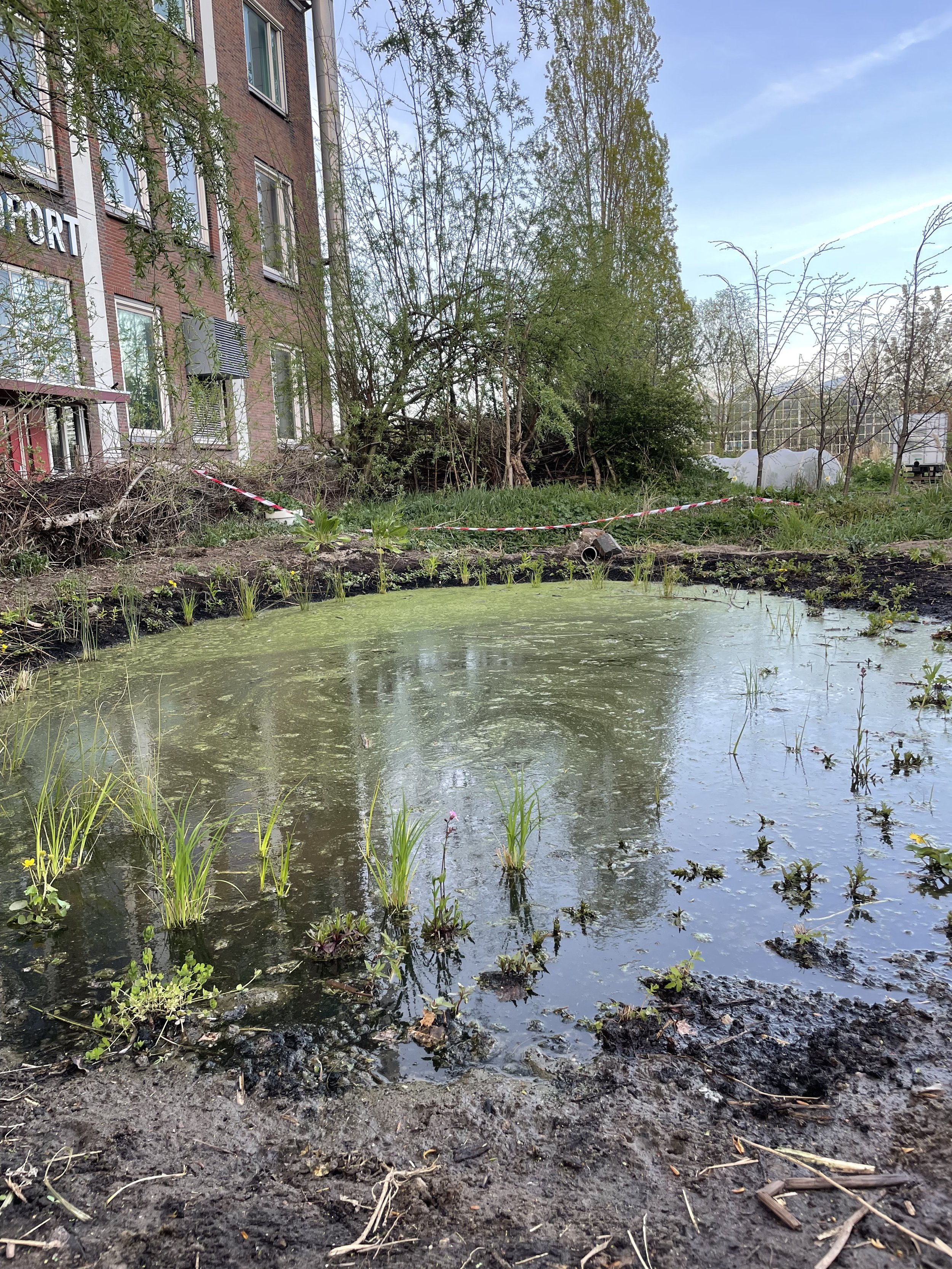
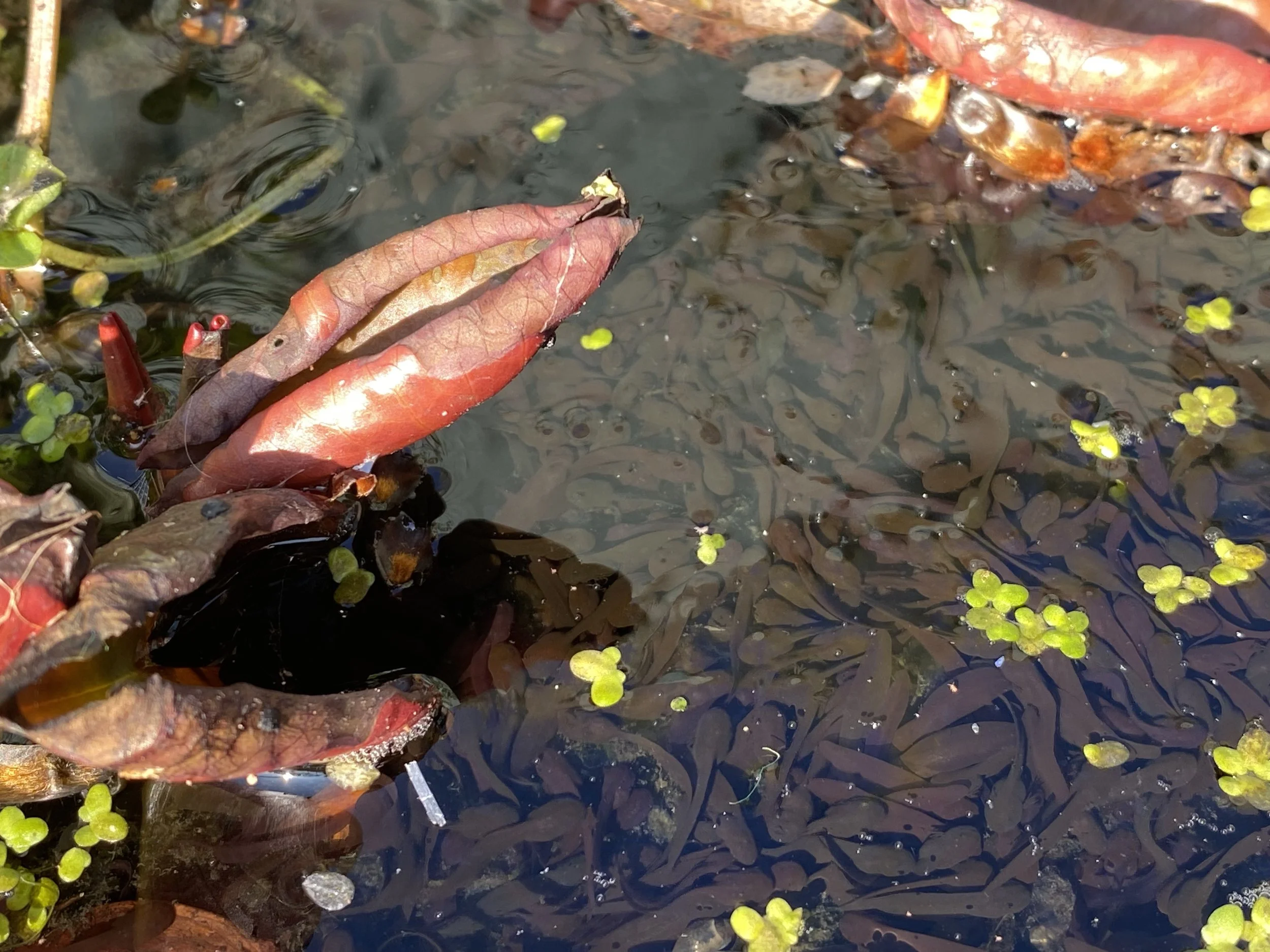
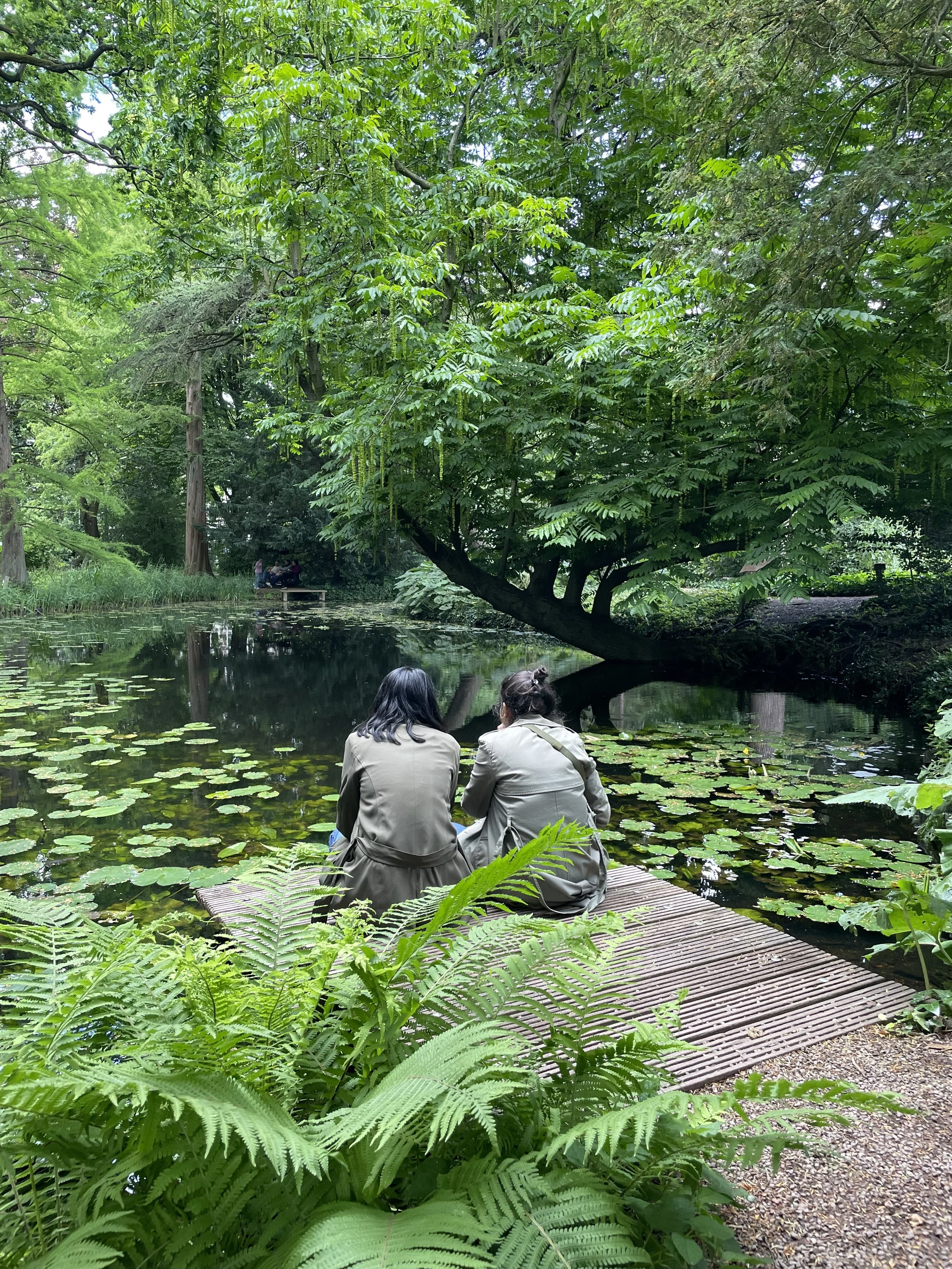
A selection of recently observed ponds
