Rooted in Place: Belonging, Culture and the City
The Rotterdam team of the InclusiveCity project hosted Rooted in Place, an afternoon symposium at Breda University of Applied Sciences bringing together researchers, practitioners and community builders around a question that sits at the heart of the project's work: what does it actually take for someone to feel they belong in a city?
Placemaking Europe wrote a detailed blog about the event, which you can read here
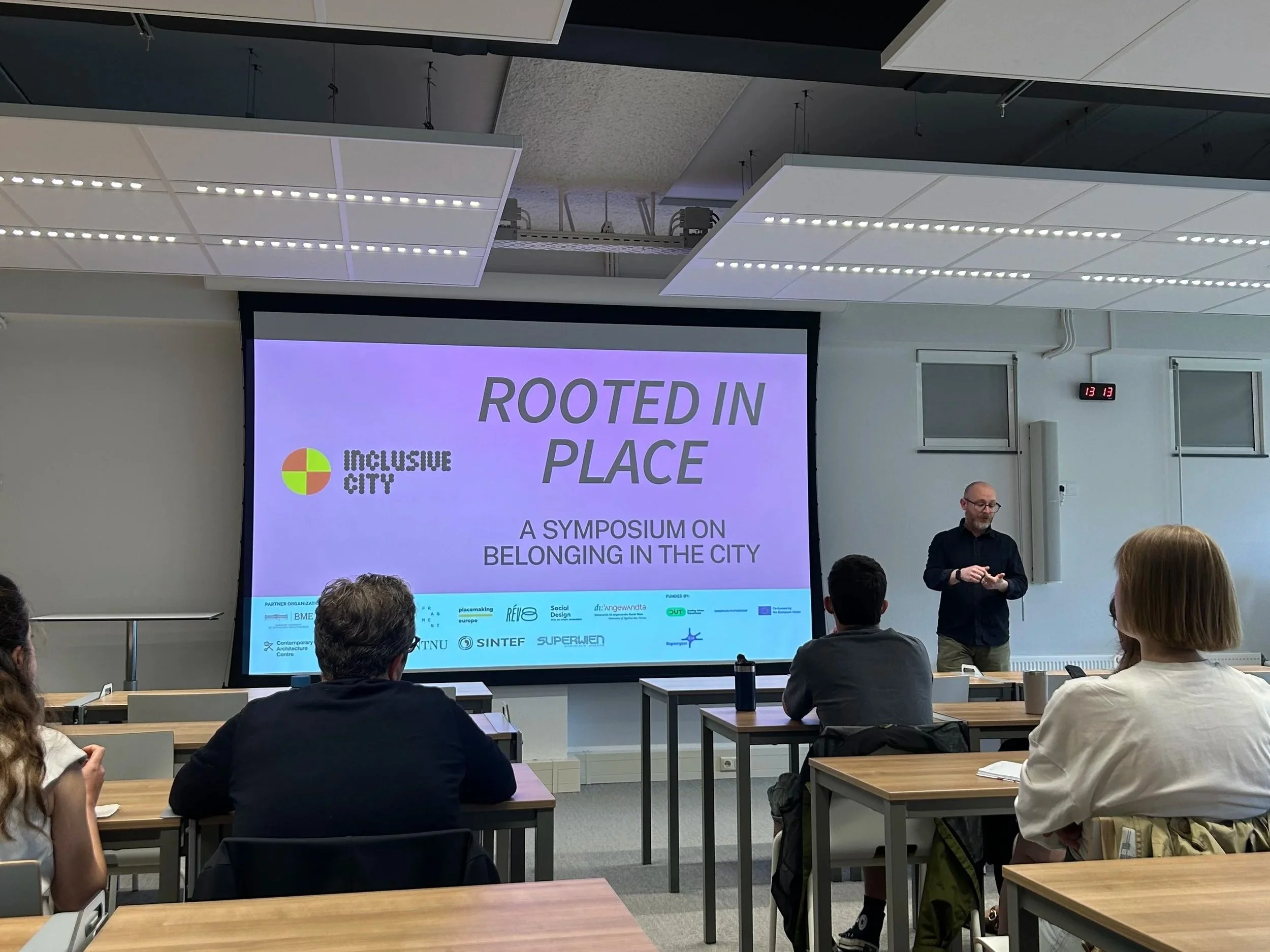
InclusiveCity is an EU-funded research programme rethinking placemaking and the 15-minute city concept through the lens of social inclusion, diversity and the UN's Sustainable Development Goals. Working across four European cities (Rotterdam, Vienna, Budapest and Oslo) the project develops tools, methods and policies to support multi-generational and gender-inclusive use of public space, with a particular focus on natural and cultural assets.
The Rotterdam case is focusing on the Rijnhaven redevelopment area as a fieldwork site, tracking how leisure and cultural tourism intersect, and often conflict, with the everyday needs of existing communities.
That tension is what made Rooted in Place such a well-timed conversation. InclusiveCity is fundamentally concerned with who gets to shape, access and benefit from urban spaces, and who, in practice, gets left out. The two research presentations brought those questions to life through specific, grounded cases.
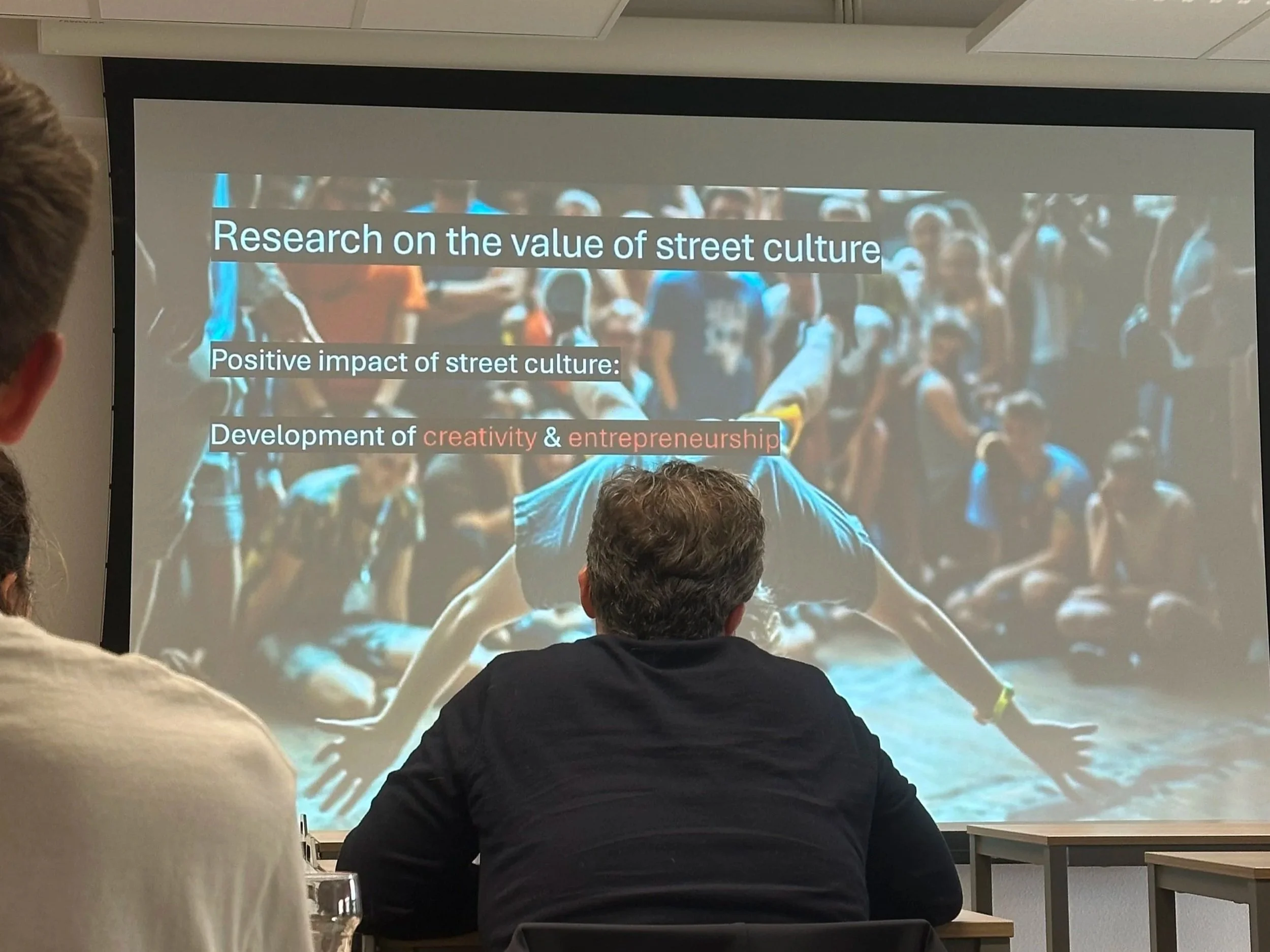
Peter van der Aalst examined what young creatives actually need from the city, focusing on the role of street culture, nightlife and informal creative spaces as genuine urban infrastructure. His research connects directly to InclusiveCity's concern with the conditions that make public and semi-public space physically, socially and economically accessible. When the spaces where young people develop skills and build community are structurally underfunded and increasingly priced out by development pressures, the inclusion the project is working toward becomes harder to achieve, not easier.
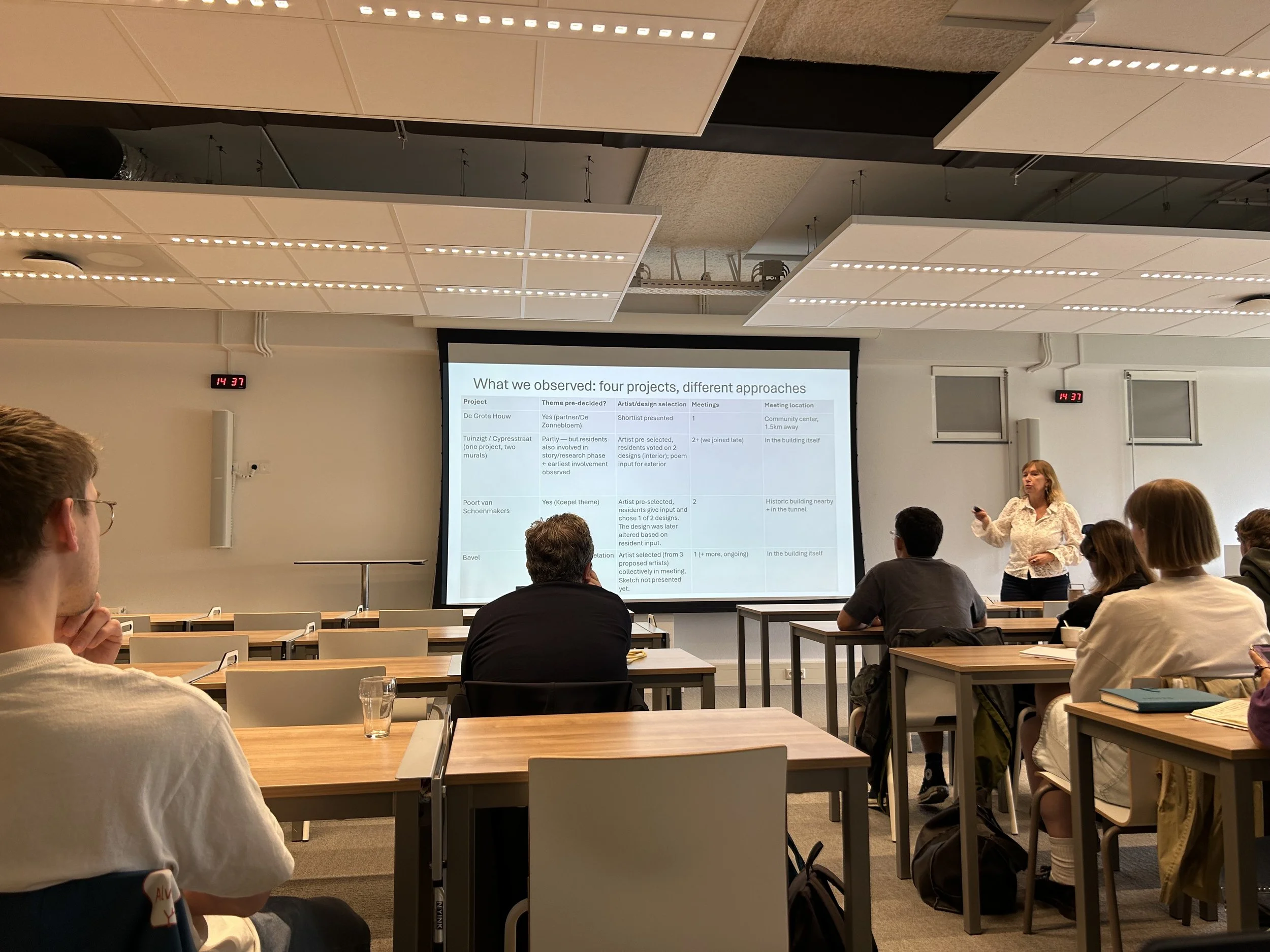
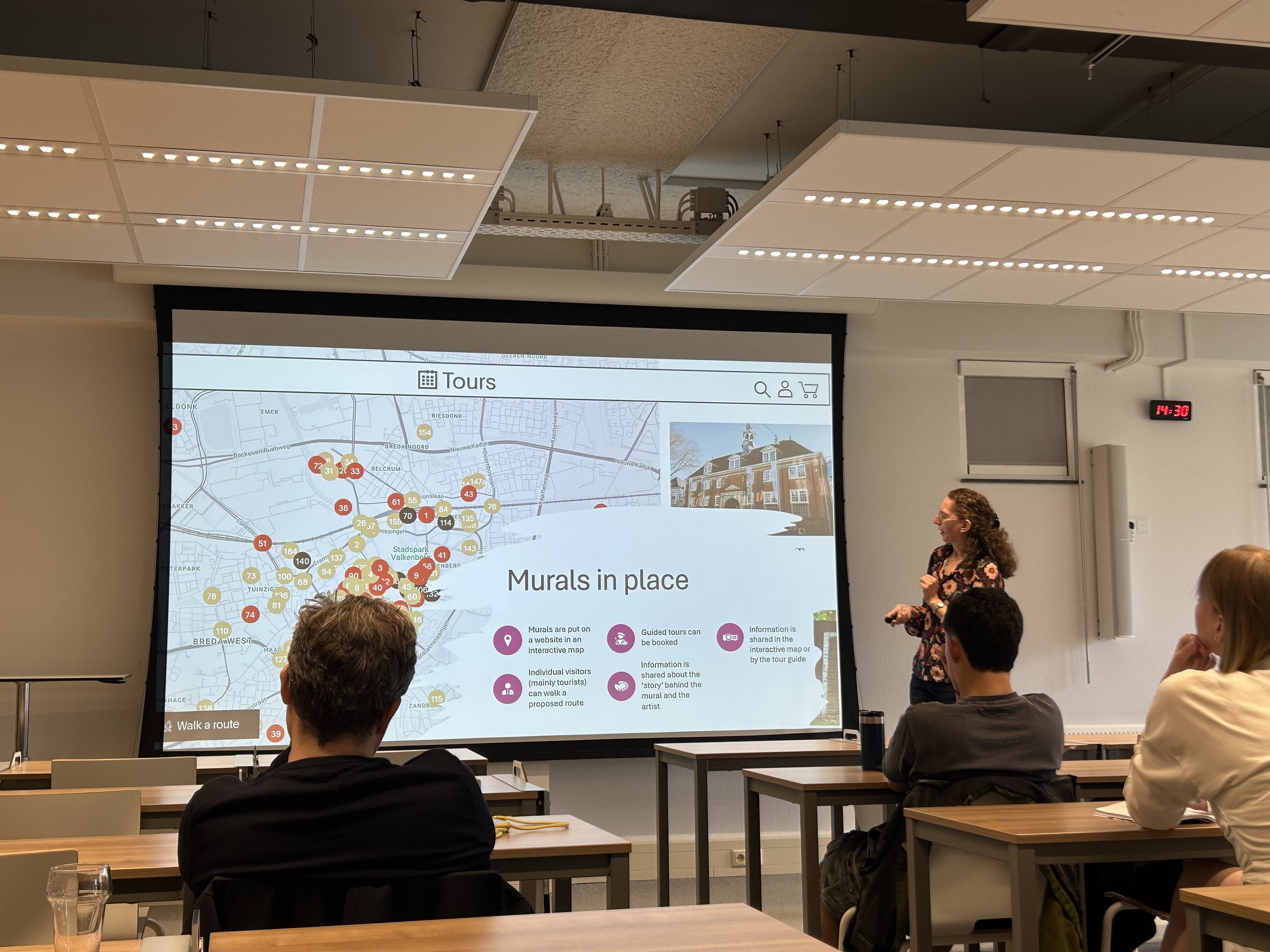
Ilja Simons and Esther Peperkamp presented findings from a year-long study of community mural-making processes across several Breda neighbourhoods. Their work speaks directly to one of InclusiveCity's core concerns: the difference between participation that is genuine and participation that is cosmetic. The research showed how the framing of community involvement determines whether a project builds belonging or simply performs it.
Together, the two presentations reinforced why InclusiveCity's approach is necessary. Belonging is not delivered by a redevelopment plan or a community mural alone. It depends on smaller, often invisible conditions, such as whether someone sees themselves reflected in a space, whether they had any say in how it was made, whether the cultural life of their neighbourhood can survive the economic pressures that cultural investment tends to attract.