
Innovation for Recovery
I was invited to contribute a pre-recorded interview to a panel discussion in València on themes relating to my recent masters thesis and the potential role of leisure communities in disaster response.
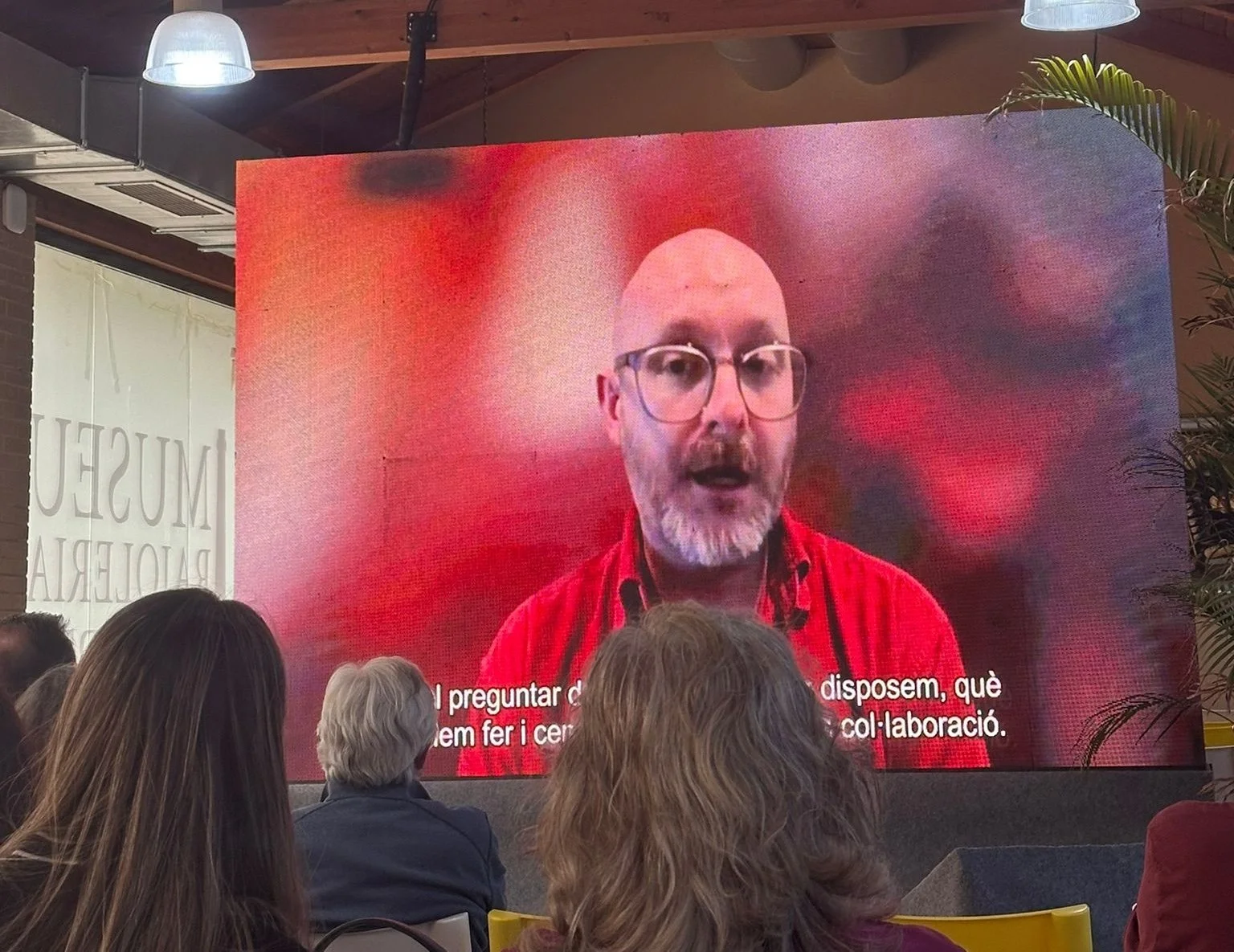
The event was Innovación para la recuperación 2026(Innovation for Recovery), held on 7th May and co-organised by Placemaking Europe and the Spanish newspaper eldiario.es. It's part of a longer initiative the two organisations launched together in response to the DANA: the catastrophic flash floods that hit the Valencia region on 29th October 2024, killing over 200 people and devastating dozens of towns across l'Horta Sud. Eighteen months on, the event's premise was blunt: the emergency is over, but the recovery is very much still unfolding, and not always coherently.
I was there to speak about the role leisure communities can play in disaster response. This was the main focus of my resent master thesis. My argument, in short, is that these groups are often among the first to respond when disaster strikes. They have an existing social network, sometimes a physical base, and, critically, a level of trust and familiarity that takes years to build and would be difficult to replicate.
After an emergency, it's often these networks that start clearing debris, distributing food, or checking on the people who haven't been seen. They can mobilise quickly precisely because the social infrastructure was already in place before the disaster took place.
eldiario.es reported on the event.What I found most interesting from the reporting was how consistently the conversation returned to coordination, or the lack thereof. My point about leisure communities isn't a solution to institutional fragmentation, but it is a useful reminder of where resilience is often found: in the ordinary, informal ties that hold a neighbourhood together. If reconstruction is going to mean more than replacing what was lost, then recognising and supporting that kind of social infrastructure has to be part of the plan, not an afterthought.
It was a genuine privilege to be included in an event of this importance, with people who are living the recovery process rather than observing it from a distance. My thanks to Placemaking Europe and eldiario.es for creating the space for it.
Andrew Shaw destacaba cómo los primeros en responder siempre son los actores locales, “porque están conectados y tienen un vínculo, e incluso pueden tener una sede y una infraestructura social. Cuando golpea un desastre, ayudan a limpiar, a repartir alimentos u otro tipo de ayuda”. “Se pueden coordinar de una forma rápida porque ya disponen de una red social”, explicaba, y ponía como ejemplo los clubes o entidades deportivas que se desarrollan en comunidad y que pueden colaborar para recuperar la nueva normalidad.
